


Vehicles powered by Compressed Natural Gas (CNG) are on the rise in Tanzania. Aside from being cheaper than ordinary fuels, the drivers argue that the vehicles have lesser emissions.
Honest Mushi, a taxi driver said that to make US$40, a driver using petrol would spend at least US$16 on fuel. “You can’t compare that to someone using gas who spends just $8 and makes the same amount of money,” Mushi told CGTN Africa.
The Tanzanian government encouraged the switch that costs around US$800 per conversion, and plans on converting its fleet of vehicles from petrol or diesel to CNG.
The Tanzania Petroleum Development Corporation licensed 20 companies to build CNG filling stations and nine are expected by 2025.
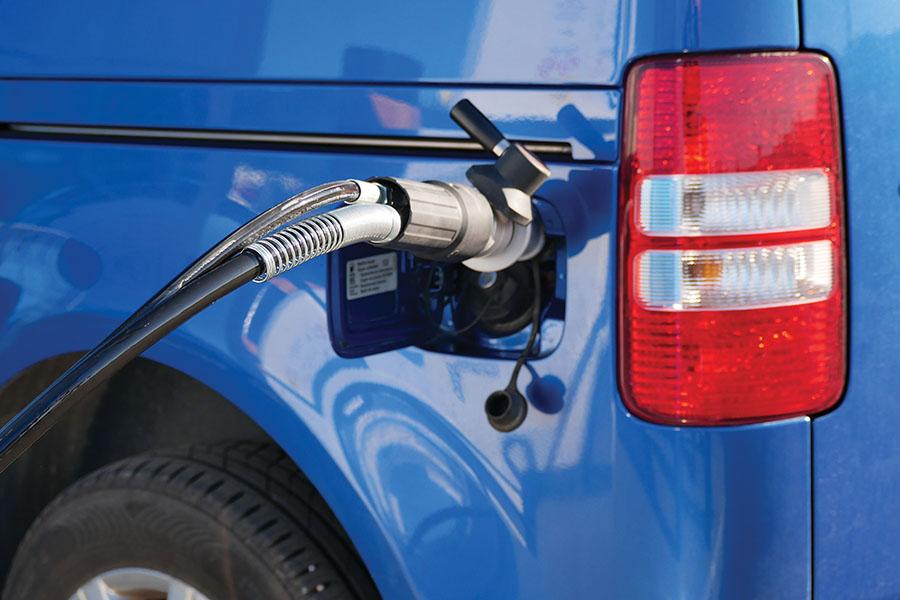
Diesel has long been the most economic fuel for fleets. It was also considered the most ecological liquid to combust until the truth about particulate matter and NOx emissions came out. OEMS have been cleaning up their act and have invested heavily to make their diesels comply with the stringent Euro 6d-temp emission standard, but it won't be tomorrow that the market has full faith in the "black fuel" again.
But if not diesel, then what? The answer could very well be compressed natural gas (CNG), especially for long-distance drivers, who will not be frowned upon when they pop into Hamburg's or any other big city's low-emission zone if their car carries a g-tron, TGI or G-Tec badge. Here's 10 reasons to go for gas.
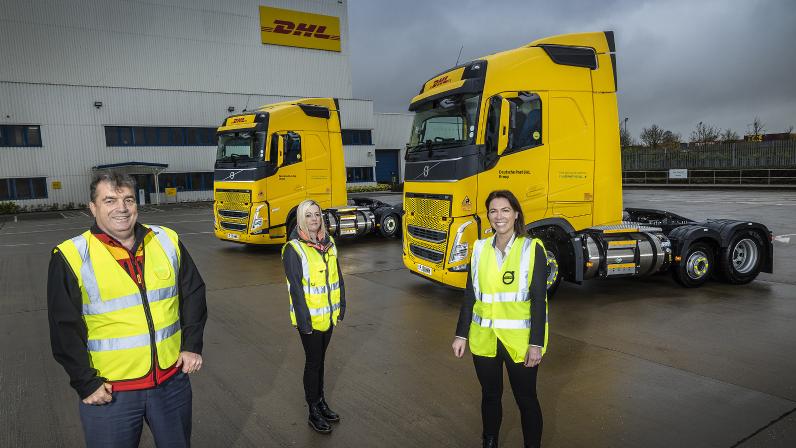
DHL Supply Chain announced the addition of 13 new Volvo FH LNG 6×2 tractor units to its fleet as part of its GoGreen plan and commitment to finding innovative solutions to reduce its environmental impact. The new trucks, which are joining the company’s growing fleet of NGVs, are equipped with Globetrotter cabs and specified with 155kg LNG tanks for maximum range of 1,000km. They will deliver up to 80% reduction in carbon emissions when fueled with bio-LNG and 10-20% with fossil gas.
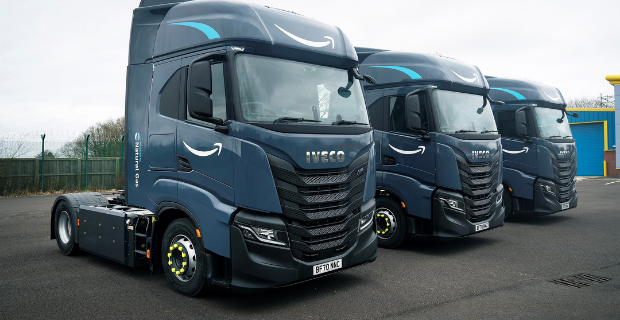
IVECO, a brand of CNH Industrial N.V. (NYSE: CNHI / MI: CNHI) and a pioneer in the commercialization and manufacturing of vehicles powered by alternative fuels, announced today an important development in its commercial relation with Amazon.

Global CNG Dispenser Market: Overview
CNG, short for compressed natural gas, is an alternative green fuel gotten from natural gas under pressure so that it remains odorless, clear, and non-corrosive. Beside they are also cheaper and efficient than the conventional petrol and diesel used to run vehicles. CNG is primarily comprised of methane. Just like gasoline, it produces engine power once it is combined with air and fed into the combustion chamber of the engine. CNG is compressed because in that state it can be easily stored in a vehicle so as to improve its driving range.
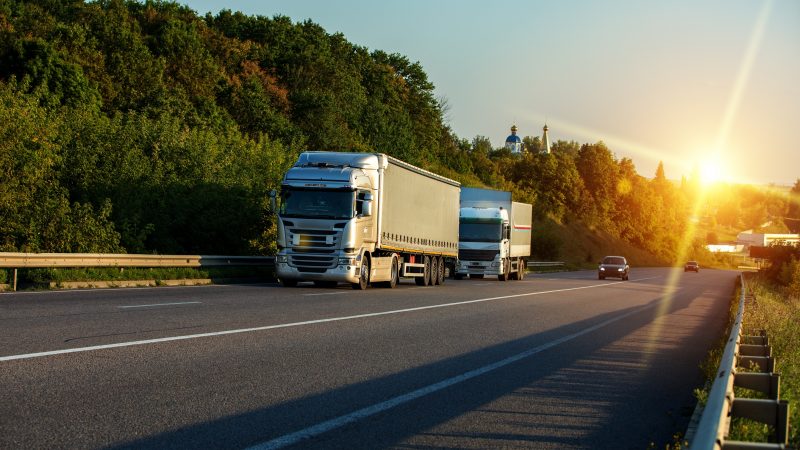
Once the European Commission presents the Fit for 55 package this July, the reduction of CO2 emissions in transport will become a major point of contention. The truth is: transport must become cleaner, and the sector must finally make its contribution to reaching the climate targets set out by the EU Green Deal, especially given that in 2018 road traffic accounted for 26% of all CO2 emissions in the European Union.
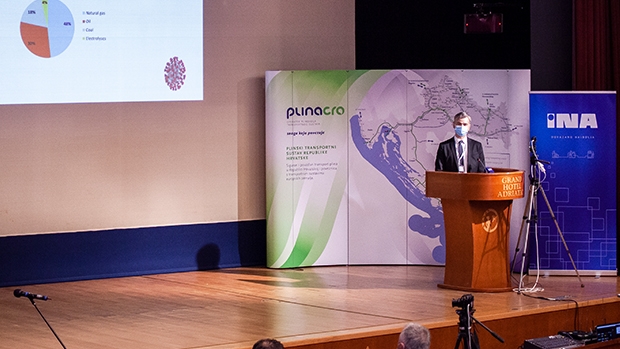
The 36th International Scientific & Expert Meeting of Gas Professionals along with an international exhibition of gas equipment and technologies was successfully held in the Congress Centre of the Grand Hotel Adriatic from 16 to 18 June of this year and organised by the Croatian Gas Centre Ltd and Croatian Gas Association (CGA). After two years of the coronavirus pandemic, favourable epidemiological conditions and the easing of restrictions have finally come about, meaning that gas and energy professionals from Croatia and abroad have again gathered at their traditional destination on Kvarner in beautiful Opatija. In adhering to epidemiological measures, the conference programme was transmitted live online from the main congress hall into the other three halls.
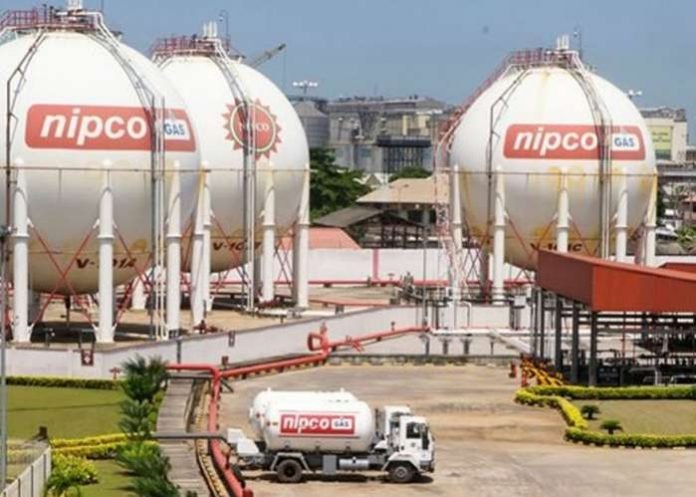
The Nigerian Independent Petroleum Company (NIPCO) Plc has expressed its commitment to ensuring that more vehicles run on gas in Nigeria to improve efficiency and guarantee a cleaner environment.
Managing Director, NIPCO Gas Limited (NGL), Mr. Sanjay Teotia, said the firm was committed to providing access to motorists to convert their cars to run on gas in furtherance of the Federal Government’s initiative to reduce dependence on fossil fuels.
Speaking on the sidelines of a gas utilization forum organized by Gas Aggregation Company of Nigeria, Teotia said NGL is providing infrastructure to facilitate the use of gas as the preferred energy source to motorist and industrial concerns.
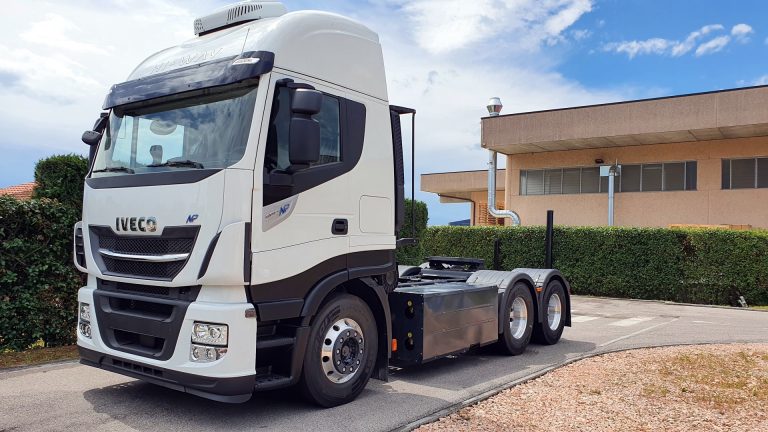
IVECO, a brand of CNH Industrial N.V., has won a record order to deliver 100 Stralis Natural Power trucks powered by compressed natural gas (CNG) to NRG Argentina, a supplier to the oil and gas industry. The order represents the largest of its kind in South America.
NRG Argentina has also purchased 100 maintenance contracts for the trucks, which will enable IVECO to assist in the development of an exclusive service and maintenance center within the province of Rio Negro in central Argentina, near NRG’s headquarters.
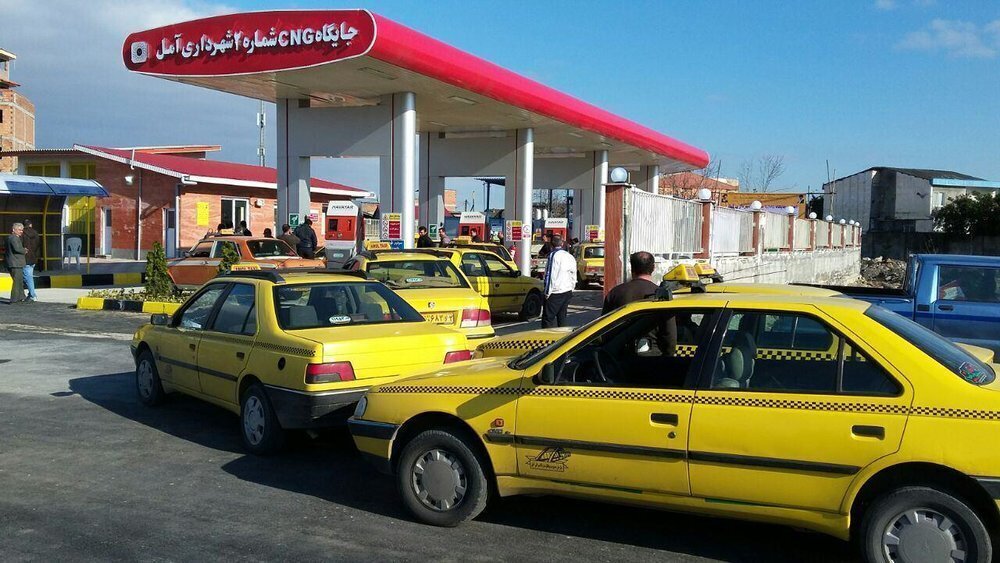
TEHRAN - The acting operator of the National Iranian Oil Refining and Distribution Company (NIORDC)’s CNG projects said using Compressed Natural Gas (CNG) as fuel in the public transportation fleet is going to save over 80 percent of the fuel costs compared to gasoline.
According to Mohammad-Hossein Bagheri, each cubic meter of CNG is equivalent to one liter of gasoline in the fuel basket of cars, and since the consumption of public transport vehicles is high, using CNG would be much more cost-efficient.
Page 1 of 2