


Author: C. Nodaras - Managing Partner - CEO at One Team
Both on a national and European level a lot is being said about containing climate crisis and ultimately facing global climatic and environmental emergencies. It is now clear that conversations and theories are not enough. To take a path towards sustainable growth, collective actions are in need. By 2050 we aspire to transform our country into a climate-neutral economy, with 90% reduced greenhouse gas emissions. An achievement that requires a major capital change in the energy sector with further intervention, measures and technological adaptations that alter production and consumption methods.
Only recently, with the United Nations’ conference on December 2nd, 2019 about climate, and with the “European Green Deal” which was presented by the newly elected president of the European Commission, Ursula von der Leyen, it is becoming obvious that commitment to reducing carbon emissions to zero to set fundamentals for a new sustainable strategy is necessary.
Today, even though we are facing the 4th industrial revolution of artificial intelligence, 5G networks, clever cities, etc. technological development is not sufficient for utilizing renewable energy sources for energy purposes. Security by using environmentally friendly, but at the same time, conventional fuels regarding energy measures is vital.
A shift towards natural gas is surely an environmentally friendly development solution. By establishing it to our economy and daily life we are much more likely to transform the energy economy and make our country climate-neutral, as it is the cleanest and least harmful fuel.
Natural gas is a naturally occurring hydrocarbon gas which is found in underground deposits, and may or may not coexist with petroleum deposits. It primarily consists of methane (more than 85%), the lightest hydrocarbon and it is a clean gas without any contaminants.
All different natural gas types of usages for any domestic, industrial or professional use, offer countless benefits to users, contributing to a cleaner environment and enhancing citizens’ quality of life.
Being the cleanest and least polluting fuel, its burning produces the least amount of carbon dioxide compared to other fuels and, through its usage greenhouse, gas emissions are reduced. It also does not contain sulfides admixtures that pollute the environment and ultimately cause acid rain.
CNG vehicles, apart from the fact that cover long distances with much fewer expenses, generally are easier and less costly to maintain, functioning just as well, if not better than petrol vehicles.
Using natural gas as a common fuel for commuting surely offers many more advantages compared to using other fuels.
Competent institutions, stakeholders and private companies are now capable of making their first steps as there is a lot of expertise regarding the subject and transportation difficulties that can be faced.
Establishing CNG as Greece’s common fuel
Some technical obstacles in endorsing CNG are accessibility and availability. Contrary to the fact that diesel vehicles are overall costlier they are preferred over CNG vehicles, mainly because NGV (CNG vehicles) production and filling stations are much more limited.
Highlighting the importance of our country endorsing natural gas use, it is worth mentioning that the global average fuel cost shows that driving a CNG vehicle accomplishes 50% higher cost savings compared to a petrol vehicle and 30% compared to a diesel vehicle. A natural gas kilo is capable of producing more energy than a liter of any other liquid fuel.
In Greece, where emissions taxation is high there are many advantages for consumers. At the same time, conversion systems show greater autonomy, and natural gas is safer and more durable compared to other fuels when vehicle collision occurs. There are more natural gas stocks than petrol stocks, while there is no waste during refueling. Natural gas being a gas, it dissolves upwards.
A very important factor that makes endorsing natural gas by consumers easier and more effective is the fact that petrol cars can be transformed into CNG cars with relatively low expenses. Prices depend on the engine’s size, type, motor capacity, number of cylinders and different engine parts. Nevertheless, transformations of such kind should be executed by specialists and specialized technicians who have received specific certification by the Ministry of Transport, to safeguard the process as much as possible.

Promoting natural gas by governments is becoming more and more common, with the ultimate goal being disengagement from mineral oils. Such is the case for many major oil-exporting countries as well. Natural gas use is strongly supported by the European Union and it is considered the most contemporary means of transportation, signaling a transition from conventional to renewable sources of energy.
Today, 17 CNG fueling stations are in operation in Greece as a whole, while further continuous development is also expected in the coming years. Nine million euro is to be funded for infrastructure purposes and development of existing CNG refueling stations in Greece through the “Connection Europe Facility – CEF” funding mechanism.
According to the European Commission, NGV vehicles (vehicles fueled by CNG) will play an important role in alternative fuel usage in 2020 and will replace 23% of petrol and diesel vehicles, the reason being the fact that CNG vehicles contribute much more to the environment and the economy compared to any other fuel.
The impending need for public briefing and education
Even though natural gas potential penetration in the Greek market is on a good level, technological know-how and expertise around implementation are still at an early stage and require a detailed and continuous methodological approach and strategic communication planning.
To make unique benefits given by endorsing natural gas into citizens’ everyday life publicly clear, and also help promote this alternative means of transportation towards stakeholders, an effective set-of-actions policy is in need.
Setting clear objectives and researching how those could be implemented is vital in helping effective public education and natural gas introduction to the country. Moreover, it is necessary to clearly distinguish main stakeholders and help cooperation between them by giving motives and incentives as successfully as possible.
For this reason, it is necessary to evaluate the current situation, distinguish major from minor stakeholders and determine the public involved to clarify every side’s role. It would be beneficial to start implementing actions after quantitative and qualitative research regarding infrastructure, entities and consumers, so that ultimately current capabilities are assessed and future major plans are put in place.
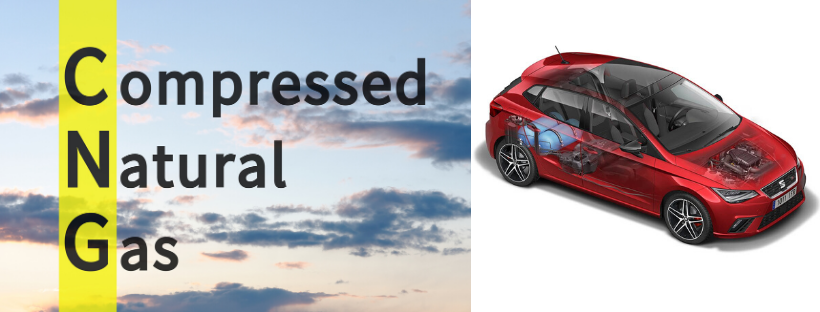
Effective communication planning requires continuous targeted actions towards all stakeholders, with more emphasis on filling stations, but without limiting beneficiary education to people on a national level.
Many public and private bodies are involved in establishing natural gas in daily use. Road networks, local media and vehicle manufacturers which operate within a radius of a few kilometers away from fueling stations, should all cooperate and highlight the importance and usefulness of endorsing natural gas, with the ultimate goal being to motivate citizens to make their first steps.
Citizens who should be targeted communication-wise about using natural gas as the main fuel for everyday transportation have certain personal characteristics with which communication should be aligned. Therefore, it is important to respectively give tangible reasons that resonate with those characteristics.
Something to be noted is that nowadays’ consumers spend a great amount of their leisure time mainly on social media, probably more so than on news websites. As a result, correct online promotion and communication around CNG would be necessary. Creating accounts on the most powerful media traffic-wise should make a difference in public reception. Also, events or Info Days set by interested parties would help highlight both economic and environmental benefits, and therefore clarify the fact that any public or private body which contributes to the successful introduction of natural gas as the common everyday fuel in Greece assists the country on a deeper level.
Because CNG is aligned with the environment, society as a whole and citizens’ health, creating many different sub-campaigns aligned with Corporate Social Responsibility as parts of a total campaign, would for sure make communication more productive.
The vital importance of commuting alongside CNG
Considering the environment’s adverse situation which itself is caused by human interference related problems, there is an urgent need for building awareness and conscience, and therefore leading to environmentally friendly actions.
It is crucially important to understand that before taking any actions one has to truly consolidate the importance of being environmentally friendly and not operate forcefully.
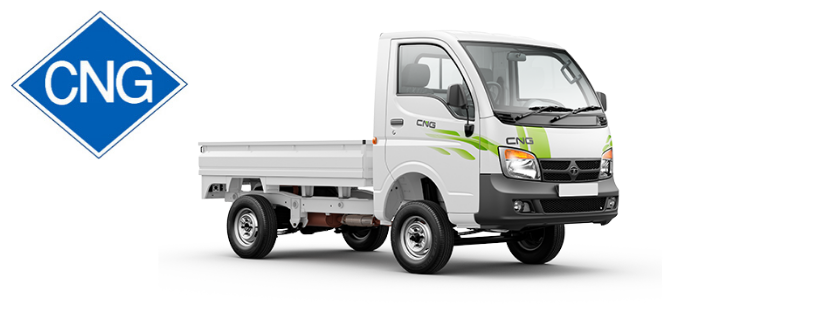
Continuous carbon dioxide emissions and air pollution in general signal many health-related dangers and at the same time create dissatisfaction in people’s daily lives. In large cities, where emissions caused by cars, motorcycles, and buses make up 25% of total air pollution, it is obvious that we need to search for a more ethical and sustainable approach to find solutions for ourselves and our environment.
Cleaner vehicles are surely a solution to climate change and citizens’ health dangers in city centers. We need to seriously consider the fact that using natural gas as a fuel not only offers an economical solution but also minimizes heart diseases, respiratory illnesses and different forms of cancer caused by pollutants, which play a big part in 14.000 young and elder people’s lives.